West Bengal Tourist Destination appeal has long been celebrated for its literature, festivals, cuisine, and layered history. Yet for years, the state struggled to convert its cultural capital into tourism momentum. That changed in 2025. Fresh domestic travel data places West Bengal as India’s No. 2 most visited tourist destination, marking one of the sharpest jumps in national tourism rankings.
The rise is more than a number—it signals a strategic shift in how travellers view eastern India and how the state now presents itself to the world. With renewed infrastructure, curated cultural circuits, and an emphasis on experience-driven travel, West Bengal has emerged as one of India’s most compelling tourism success stories of the year.
How West Bengal Tourist Destination Grew with Strategic Planning
West Bengal’s ascent is the result of years of steady groundwork rather than a sudden marketing push. The government has invested in:
• Reviving heritage structures
• Improving highways and rural connectivity
• Developing eco-friendly accommodations
• Promoting community-led tourism
• Strengthening Kolkata as an international gateway
Unlike states that rely heavily on beaches or wildlife parks, Bengal markets itself as a multi-dimensional experience—art, food, festivals, temples, museums, forests, hills, and river culture. This diversity has become a major asset at a time when domestic travellers increasingly prefer immersive and varied itineraries over single-attraction destinations.
Tourism researchers note that the state’s growth also comes from improved data visibility and digital mapping. Destinations that once relied on word-of-mouth—like Garh Panchakot, or the riverside ghats of Chandannagar—are now discoverable through official tourism portals and local homestay platforms.
Kolkata: A Cultural Metropolis Reimagined
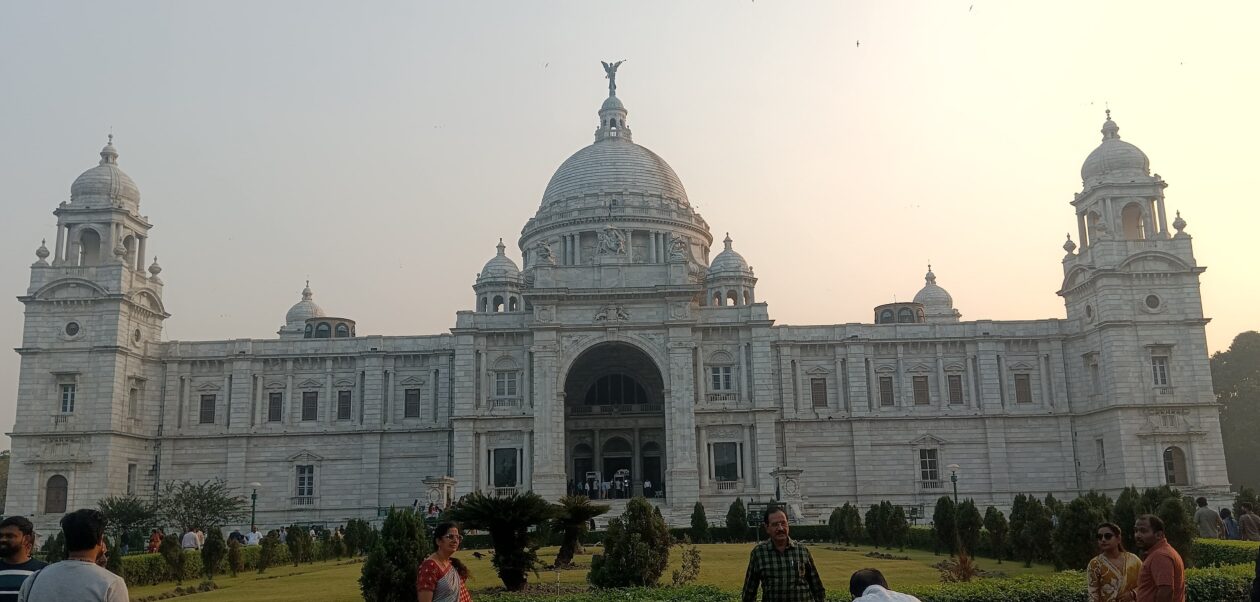
Today, Kolkata stands out as a major West Bengal Tourist Destination for cultural and heritage travellers. At the centre of Bengal’s tourism revival is Kolkata, a city often defined by nostalgia but now reshaped for modern cultural travellers. It still preserves its literary soul and architectural elegance.
Yet, the city feels more accessible, organised, and experience-driven than before.
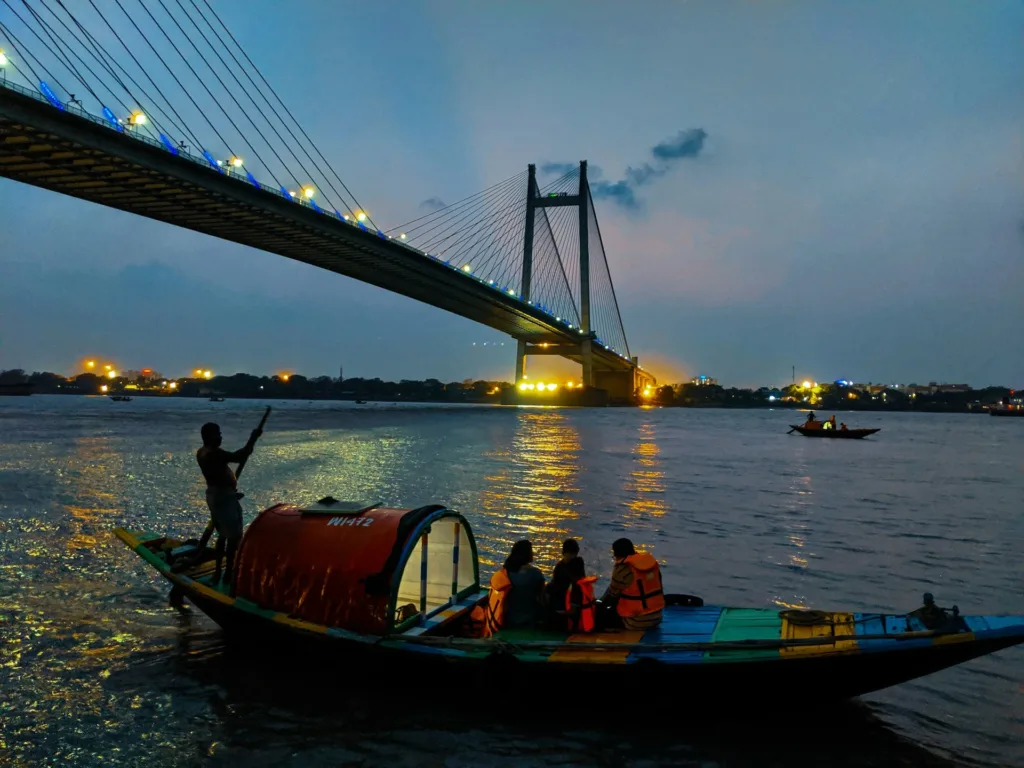
Kolkata’s recent surge in tourism is powered by the restoration of landmark buildings and revitalised neighbourhoods. River cruises now reinterpret the Hooghly as a cultural corridor, offering travellers a new way to encounter the city’s history.
Heritage tram experiences have returned, celebrating an iconic mode of transport that exists nowhere else in India. At the same time, food, photography, and walking tours have expanded rapidly, showcasing the city’s sensory and creative richness.
Global recognition of Durga Puja as an intangible cultural heritage event has further elevated Kolkata’s presence on the world stage. During the festival, entire neighbourhoods turn into open-air art galleries, attracting artists, scholars, filmmakers, and cultural explorers.
Hotels, homestays, and hostels see occupancy surge weeks in advance. The city becomes electric—an urban canvas of innovation and devotion.
Even outside the festive season, Kolkata draws architecture lovers to its layered heritage. British, Portuguese, Armenian, Mughal, and Bengali elements coexist within walkable districts shaped by centuries of cultural exchange.
Add to this a fast-evolving culinary scene and a thriving independent arts ecosystem, and Kolkata now functions not only as a gateway to Bengal—but as a destination that rewards deep travel and discovery.

North Bengal: Where the Mountains Reshape the Narrative
A significant portion of the 2025 surge comes from North Bengal, particularly the Darjeeling–Kalimpong region, which has seen renewed interest among young travellers, families, and nature photographers.
What’s driving this growth?
1. Better Connectivity
Bagdogra Airport improvements and smoother highways have shortened travel times significantly. This shift alone has opened North Bengal to weekend tourists from Kolkata, Assam, and the Northeast.
2. Homestay Boom
The rise of licensed homestays in villages around Darjeeling, Kurseong, and Kalimpong has redefined how travellers experience the region. Instead of colonial-style hotels alone, visitors now interact with local communities, learn about farming, taste home-cooked Himalayan dishes, and participate in cultural activities.
3. Reinvented Heritage
Efforts to preserve the Darjeeling Himalayan Railway—a UNESCO heritage icon—have brought new visibility to the region. Heritage rides, tea garden tours, and photo-friendly viewpoints now form a structured itinerary rather than scattered recommendations.
4. Alternative Nature Circuits
The Dooars region, with forests like Gorumara and Jaldapara, is witnessing a sharp spike in eco-focused travellers who want wildlife experiences outside the saturated tiger belts of central India.
Together, these elements have positioned North Bengal as one of India’s most balanced mountain destinations—scenic, cultural, and accessible.
The Sundarbans: An Ecological Giant with New Appeal
The Sundarbans remains the state’s most iconic natural attraction, but its role in the 2025 surge deserves attention. The mangrove delta’s tourism model has evolved dramatically, moving from unregulated boat tours to community-managed, environmentally responsible travel.
Recent improvements include:
• Safer, government-monitored waterways
• Eco-friendly lodges designed in collaboration with local residents
• Trained guides from forest-fringe villages
• Conservation-linked tours that educate visitors
The region’s global reputation as the habitat of the Royal Bengal Tiger continues to attract travellers, but the new tourism approach highlights biodiversity, climate vulnerability, and cultural resilience. For many visitors, the Sundarbans represents a powerful mix of adventure, fragility, and learning.
Coastal Bengal: A Cleaner, Better-Connected Shoreline
West Bengal’s coastline, including popular destinations like Digha, Tajpur, Shankarpur, and Mandarmani has been undergoing a quiet but remarkable transformation. These beaches are now emerging as calmer, cleaner, and more attractive alternatives for travellers seeking an easy coastal escape.
These beach towns are strengthening Bengal’s position as a West Bengal Tourist Destination known for short scenic getaways.
Digha in particular—once criticised for crowding and poor infrastructure—has experienced major improvements. Redesigned beachfront spaces, better sanitation standards, smoother traffic management, and a surge in boutique and family-friendly stay options have revitalised its appeal among new-age tourists.
These upgraded experiences perfectly align with the growing demand for short, restful getaways close to Kolkata and other nearby cities. As a result, the coastline has become one of West Bengal’s fastest-growing tourism segments, drawing more weekenders and holidaymakers than ever before.
Heritage & Culture: Bengal’s Core Strength
West Bengal’s 2025 rise is inseparable from its cultural wealth. Few Indian states offer such a dense concentration of heritage towns and architectural styles within short travel distances.
Key centres gaining renewed attention include:
• Murshidabad, with its grand palaces and riverside history
• Bishnupur, famed for its terracotta, temples
• Shantiniketan, elevated by its UNESCO recognition
• Chandannagar, with its preserved French colonial identity
• Cooch Behar, home to one of India’s most photographed palaces
Restoration projects, guided tours, and heritage festivals have helped these towns emerge from obscurity and re-enter mainstream travel circuits.
Culinary Identity: A Powerful, Underestimated Driver
West Bengal’s food culture plays a far more central role in tourism than official numbers capture. Cuisine here is not just about eating—it is a part of everyday heritage, identity, and storytelling.
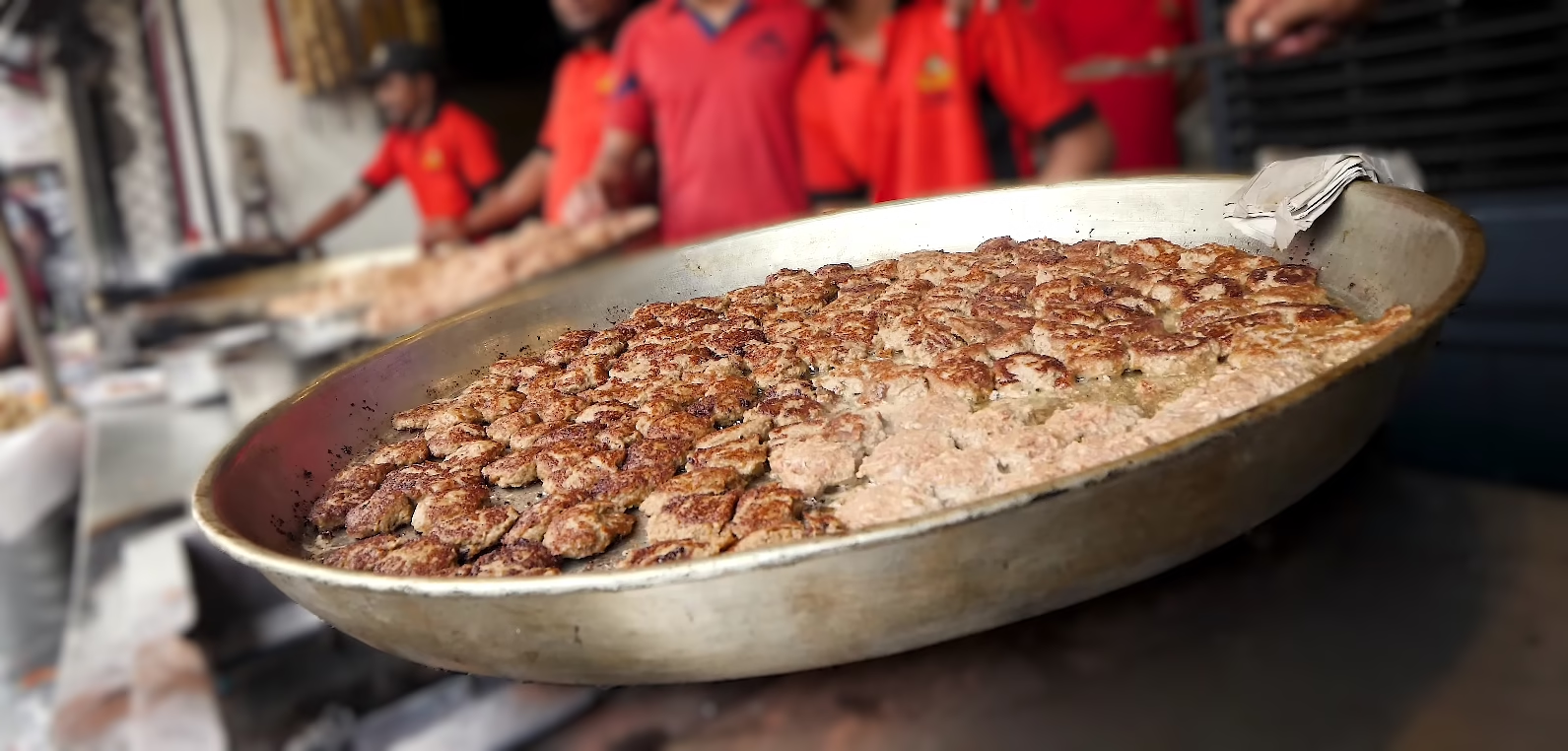
Travellers come not only for restaurant dining but for deeply rooted culinary traditions, from pice hotels preserving century-old recipes to comforting home-cooked Bengali thalis. The street food scene alone draws thousands, with favourites like puchka, Kathi rolls, and Mughlai parathas.
Bengal’s sweets add another layer of charm—patishapta, sondesh, and the many varieties of rosogolla reflect a legacy that evolves from kitchen to festival table.
Many visitors now plan entire trips around food walks, cooking workshops, and local market tours. In a state where cuisine and culture are inseparable, this shift strengthens Bengal’s tourism ecosystem from the ground up, ensuring that local food traditions continue to thrive.
Festivals as a Cultural Economy
West Bengal’s festival calendar remains one of its strongest drivers of tourism. While Durga Puja alone draws millions of visitors from across the world, the momentum does not end there.
Events such as the Kolkata International Film Festival, Ganga Sagar Mela, Poush Mela in Shantiniketan, and Kali Puja celebrations each bring their own unique cultural appeal. These occasions attract diverse groups of travellers—pilgrims, cinephiles, artists, students, and culture seekers alike.
With better logistics, hospitality expansion, and coordinated destination promotion, these festivals now create sustained travel demand throughout the year. As a result, tourism in Bengal is no longer seasonal but thrives in a vibrant cultural rhythm that keeps visitors returning again and again.
What West Bengal’s Rise Means for India
West Bengal’s new position as India’s No. 2 tourist destination represents several shifts:
Eastern India is finally receiving national tourism recognition.
Travellers now value layered, narrative-driven places over single-theme destinations.
Heritage conservation and community tourism matter more than aggressive advertising.
Cultural depth is becoming a competitive advantage.
For West Bengal, the challenge ahead lies in maintaining this momentum sustainably. Balancing tourism growth with ecological sensitivity, especially in regions like the hills and the Sundarbans, will define the next phase of development.
For now, however, the message is clear: West Bengal has moved from the margins of India’s tourism map to its main stage—and visitors are finally seeing what the state has offered all along.
Read more: Panta Bhaat: A Flavorful Tradition That Connects Generations in Bengal