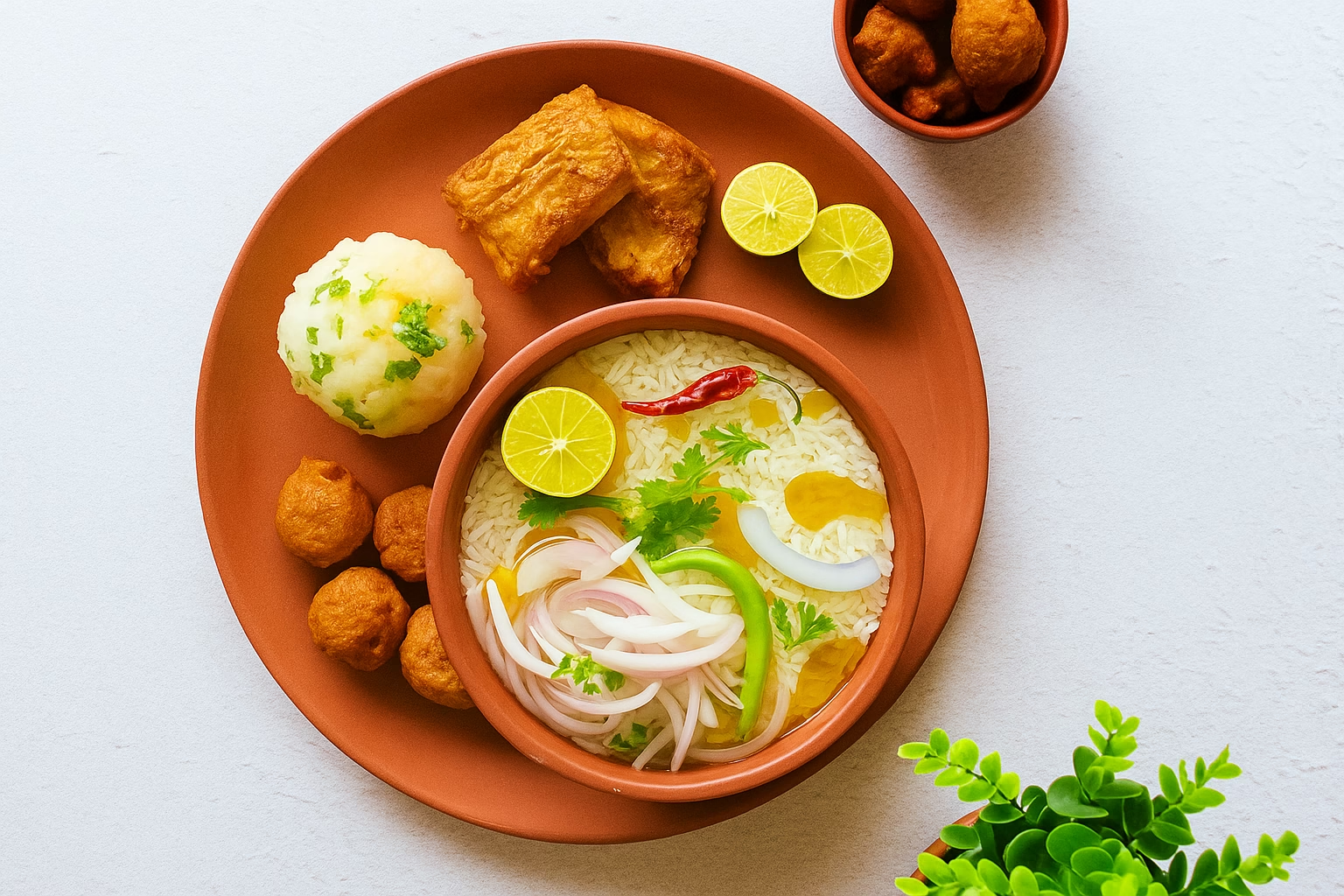
Indian Comfort Dishes for Winter are not just cuisine — they represent ancestral science, seasonal wisdom, and regional storytelling. Every winter dish in India was shaped by climate, agriculture, local ingredients, festivals, and the deep human need for warmth. North India warms the body with fats and leafy greens, Bengal waits for the arrival of date-palm jaggery, Gujarat celebrates winter with slow underground cooking, and the Himalayas survive freezing nights with broths and steaming soups.
Below is an authentic portrayal of these dishes — the way they were traditionally prepared before shortcuts, restaurant versions, and modern hacks altered their identity.
Thukpa – Himalayan Warmth in a Bowl
In the Indian Himalayas, winter is long, icy, and demanding. People need food that warms the body and supports stamina. Thukpa — originally Tibetan — became a staple in Sikkim, Ladakh, and Arunachal Pradesh.
Authentically, families prepare:
• broth from bones or vegetables simmered for hours,
• fresh hand-rolled noodles,
• mountain vegetables like yaksha beans, radish, or local spinach,
• warming spices like ginger and garlic.
It is not just a soup — it is survival food. Monasteries serve thukpa on freezing evenings, and mountain homes rely on it as a comforting, nutritious, one-pot winter meal.
Rogan Josh – Kashmir’s True Winter Curry
Most restaurant versions of Rogan Josh are not Rogan Josh.
The authentic dish — from the Kashmiri Muslim Wazwan tradition — uses:
• ratan jot for its iconic red “rogan”
• dry ginger powder (sunthi)
• fennel powder
• Kashmiri chilli for colour and aroma
• mustard oil
• yoghurt, whisked and slow incorporated
There are no tomatoes, no garlic, and no onion in the true version.
The dish is slow-cooked to develop flavour and warmth — perfect for Kashmir’s freezing winters where temperatures drop below zero.
Rogan Josh is also spiritually significant — it represents fire, colour, warmth, and the skill of the Wazas (master chefs).
It is the heart of the winter Wazwan feast and a symbol of Kashmiri hospitality.
Sarson Ka Saag & Makki Ki Roti – Punjab’s Winter Soul Food
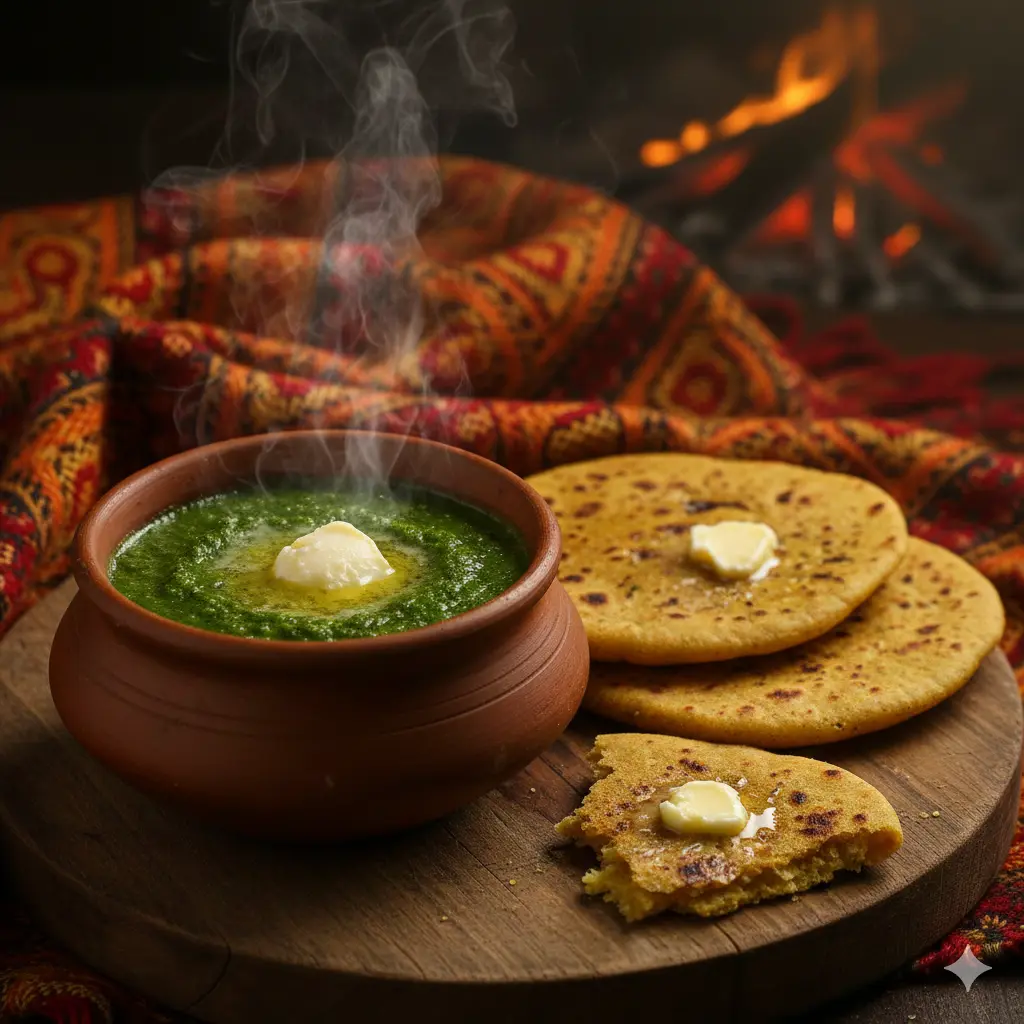
Sarson ka Saag isn’t just a dish — it’s Punjab’s winter identity. Authentically, it uses three greens: sarson (mustard), bathua (goosefoot), and a little spinach for balance.
These winter greens appear only after the first cold winds. Farmers harvest them fresh, and households begin slow-cooking the saag in clay pots over wood fire.
The real process is slow and patient —
no mixer-grinder,
no added cream,
no shortcuts.
The greens are hand-pounded with a madhani (wooden whisk), cooked with garlic and makki ka atta for body, and left to simmer for hours. This slow-cook method gives the saag its rustic, earthy depth.
Makki ki roti is made from freshly milled cornmeal; the dough cracks easily, so women traditionally shape it by hand and cook it on iron tavas.
Together, saag and roti represent Punjab’s winter harvest and the spirit of Lohri — warm fires, community gatherings, and the celebration of seasonal abundance.
Gajar Ka Halwa – A Dessert That Exists Only Because of Winter
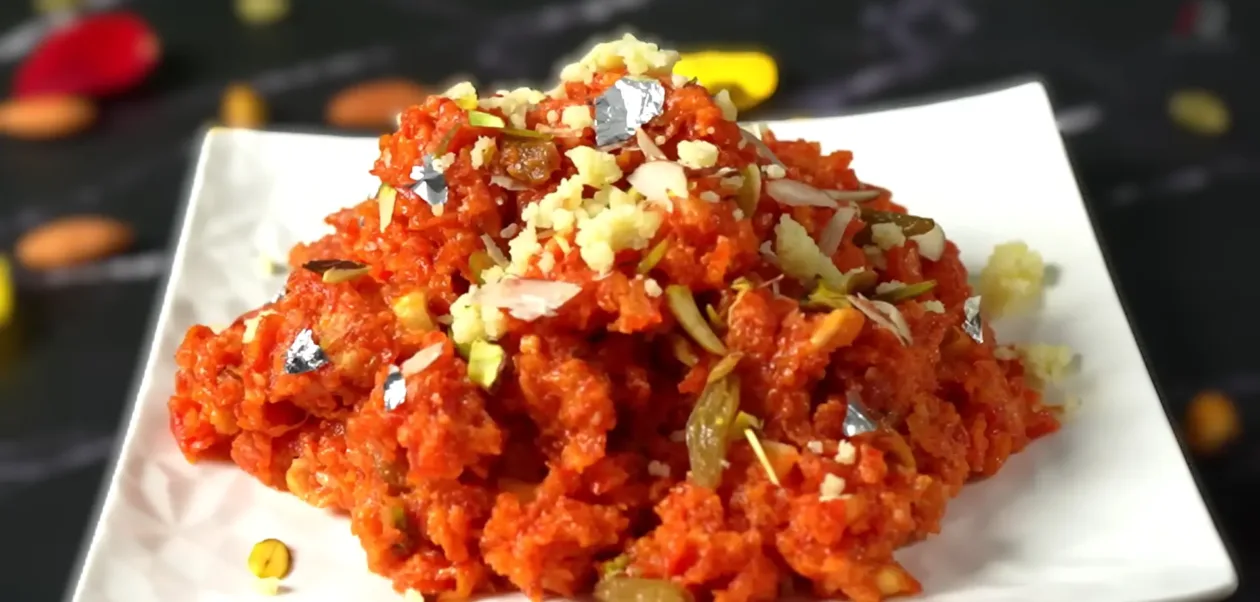
Authentic Gajar ka Halwa is impossible in summer. It depends completely on Delhi’s deep-red winter carrots, which have a natural sweetness and texture that orange carrots cannot replicate.
Traditionally, halwa was made not with condensed milk but by slowly reducing full-fat milk for hours, stirring constantly in a heavy iron kadhai. Ghee is added only at the end, once the carrots have absorbed the milk.
This dessert carries emotional weight —
it marks the start of wedding season,
it’s served at winter gatherings,
and every family has its own “first halwa of the year” ritual.
Its authenticity is in its slowness — the patience of letting milk, carrots, and ghee turn into something comforting and celebratory.
Undhiyu – Gujarat’s Seasonal Masterpiece
Undhiyu is a winter-only dish because it depends on surti papdi, fresh tuvar, yam, purple sweet potatoes, baby brinjals, raw bananas, fresh fenugreek, and more — all harvested in the cold season.
The traditional version, called matla Undhiyu, is cooked in sealed clay pots buried underground.
The vegetables and fenugreek dumplings (muthiyas) are tossed with generous sesame, coconut, jaggery, and green masala.
The pot is sealed and left to cook in residual heat, giving Undhiyu its smoky, festival-like aroma.
Undhiyu is inseparable from Uttarayan, the kite festival.
Gujaratis prepare it at dawn, pack it with hot puris, and enjoy it on the terrace while flying kites in the crisp winter wind — a tradition passed down for generations.
Nolen Gur Sandesh – Bengal’s Winter Treasure
This delicacy is possible only for a few weeks each winter, when the sap from date palm trees is collected at dawn and boiled into Nolen Gur (liquid jaggery). Its aroma is smoky, caramel-like, and impossible to replicate artificially.
Bengalis wait all year for this ingredient.
Sweet shops debut winter specials like Sandesh, Rasgulla, Payesh, and Chhena Poda infused with nolen gur.
Authentic Sandesh uses fresh chhena and warm Nolen Gur gently mixed by hand — never cooked aggressively, or it loses its softness.
This dessert is a winter emotion, tied to nostalgia, early morning tapping of palm trees, and Bengal’s centuries-old sweet-making craft.
Korai Sutir Kachuri – Bengal’s Winter Breakfast Ritual
Fresh green peas appear in Bengal only during winter, and the first crop is always dedicated to making Korai Sutir Kachuri.
The peas are ground on a sil-batta, mixed with hing and green chilli, and stuffed into dough before being rolled and deep-fried.
Paired with spicy aloo tarkari, this dish is a symbol of Sunday winter breakfasts — terraces soaked in soft sunshine, families gathering, and the smell of frying kachuri filling neighbourhood lanes.
Its authenticity lies in the use of fresh peas, never frozen, and the hand-ground stuffing.
Milagu Rasam – South India’s Pepper Elixir
South India doesn’t face extreme winters, but immunity dips slightly with the seasonal shift. Milagu Rasam acts as a natural remedy — a warm, pepper-heavy elixir traditionally made in earthen pots.
The key is freshly crushed black pepper, not powdered pepper.
Garlic, jeera, curry leaves, and tamarind balance the heat.
Families drink it or pour it over hot rice.
Its role is cultural, and emotional — the taste of home when someone has a cold or needs warmth from within.

Moong Dal Cheela – North India’s Winter Protein Breakfast
Traditionally, this winter breakfast was made from soaked dal ground on a stone grinder, not a mixer. The batter is fermented slightly overnight to become lighter and easier to digest.
Cheelas are cooked on iron tavas (not non-stick) to give them a crispy edge.
They’re paired with chutney made from winter coriander, which is more fragrant and bright during the cold season.
In North India, this dish represents gentle warmth, good digestion, and the simplicity of home-cooked winter meals.
Paya – India’s Overnight Winter Broth
Paya (trotter soup) is a winter-strength dish enjoyed across North India, Hyderabad, and parts of Maharashtra.
Authentically, Paya is simmered overnight for 8–12 hours over a coal or wood fire. This slow cooking extracts collagen, making the broth silky, nourishing, and warming.
Spices like black pepper, cloves, cardamom, and ginger support winter immunity.
The dish was historically eaten by farmers and labourers who needed strength for long winter days, and by families during cold waves to keep the body warm.
Modern pressure-cooker versions lose the depth — the real paya is about time, patience, and traditional slow-cooking.
FAQ
1. Why do Indian winter dishes use more whole spices and slow-cooking techniques?
Across India, winter has always been associated with dishes that warm the body from within. Traditional Ayurvedic principles say that winter increases digestion capacity, which is why heavier foods and whole spices like cloves, black cardamom, cinnamon, and black pepper are used more often. Slow-cooking also helps release deeper flavours and natural fats, making dishes more nourishing — especially in regions like Kashmir, Punjab, and Rajasthan where temperatures drop drastically.
2. What makes Indian comfort dishes perfect for winter?
Indian comfort dishes perfect for winter are built around warming ingredients like ghee, whole spices, lentils, mutton, jaggery, mustard oil, and seasonal greens. These foods naturally increase body heat and energy during colder months. Slow-cooked stews, rustic rotis, and rich curries help maintain warmth — a tradition rooted in Ayurveda and centuries of regional wisdom.
3. What makes Kashmiri Rogan Josh authentic, and why is ratan jot essential?
Authentic Kashmiri Rogan Josh has a signature deep red colour and aromatic flavour, achieved without tomatoes, onions, or garlic. The colour traditionally comes from ratan jot (alkanet root) tempered in hot oil and Kashmiri chilli powder. Without ratan jot or mustard oil, the dish loses its rustic, smoky flavour. It’s not just an ingredient — it’s part of the cultural identity of Kashmiri Wazwan cuisine, where purity of spices and technique is valued more than richness.
4. Why do winter dishes differ so much across Indian regions?
India’s winter is not the same everywhere. Kashmir faces freezing days, Rajasthan has dry cold nights, Punjab has foggy mornings, and states like Odisha or Maharashtra experience mild winters. That’s why food also adapts.
In Kashmir, dishes focus on heat and fat (Rogan Josh, Yakhni).
In Punjab, warmth comes from dairy and whole wheat (Sarson ka Saag, Makki Roti).
In Rajasthan, where fresh greens were once scarce, people relied on flour-based and dried-spice dishes like Bajre ki Raab.
These variations reflect history, climate, and local produce, giving India its diverse winter comfort cuisine.
Read more: 10 Powerful Healthy Food Swaps for Cravings That Actually Work