
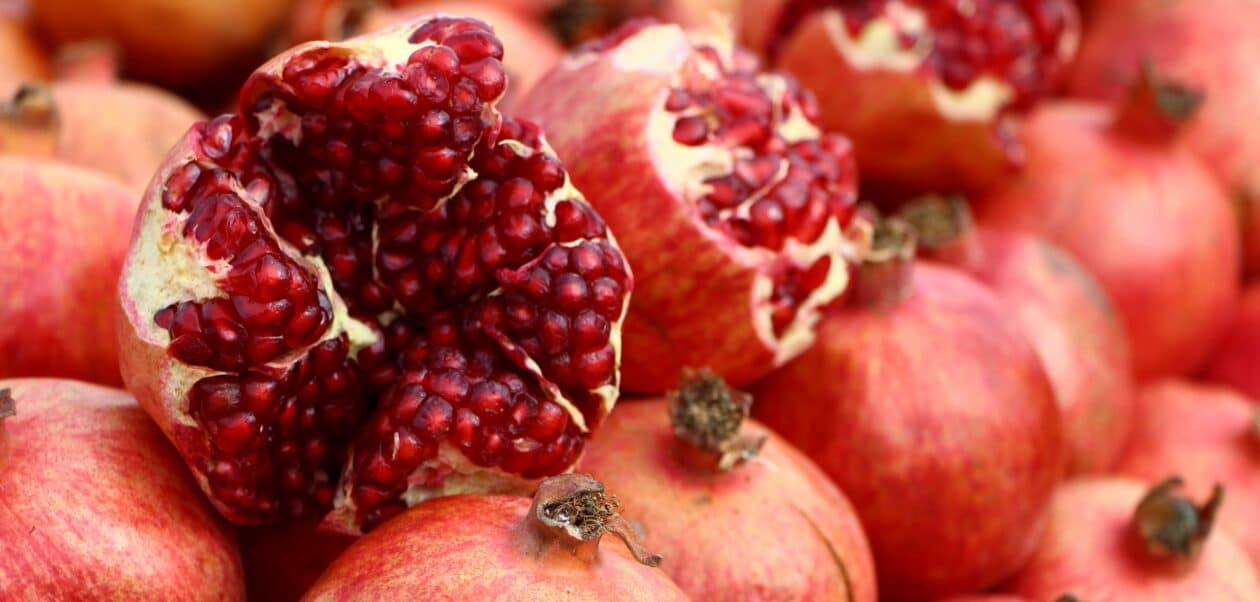
In Indian households, few fruits are as loved and versatile as the anar (pomegranate). Bright, juicy, and rich in nutrients, it’s a symbol of vitality that has been part of Ayurvedic and traditional diets for centuries.
But have you ever wondered what would happen if you ate pomegranate daily for a month?
This article explores what to expect from the 30-Day Pomegranate Challenge — one cup of seeds a day — and how this simple habit can bring visible, safe, and science-backed changes to your body and overall well-being.
The Nutritional Power of Anar
Before we look at the results, it’s worth understanding what makes pomegranate so special.
Rich in Antioxidants (Polyphenols) The deep red color of pomegranate arils comes from antioxidants called polyphenols. These compounds help reduce oxidative stress, protect heart health, and support youthful skin.
According to a study published by the National Institutes of Health (NIH), pomegranates are among the richest natural sources of antioxidants found in fruits. Their bioactive compounds — especially anthocyanins and tannins — show strong anti-inflammatory and protective effects.
High in Fiber Eating whole seeds — not just juice — provides dietary fiber that supports digestion and helps regulate blood sugar. Fiber slows glucose absorption, preventing sudden energy crashes and improving gut function.
Vitamin C and Nitrates A single pomegranate can fulfill nearly 30% of your daily Vitamin C needs, boosting immunity and aiding collagen formation. Natural nitrates also promote better blood flow, which can enhance stamina and improve skin glow.
7 Changes You May Notice When You Eat Pomegranate Daily for a Month
Here are the realistic, observable changes that may develop gradually as your body benefits from consistent intake of pomegranate.
Increased Energy and Faster Recovery Within one to two weeks, you may notice less fatigue during workouts and faster recovery afterward. Natural nitrates in pomegranate improve circulation, while antioxidants help muscles recover more efficiently after exercise.
A study cited by NIH found that regular pomegranate intake can reduce exercise-induced oxidative stress and support endurance.
Reduced Afternoon Energy Slump Replacing sugary snacks or desserts with pomegranate helps maintain steady energy levels throughout the day. Its fiber balances the fruit’s natural sugars, preventing sharp spikes and drops in blood glucose. Over time, this helps sustain alertness and reduce post-lunch fatigue.
Noticeable Improvement in Skin Radiance Pomegranate’s Vitamin C and punicalagins — potent plant antioxidants — can help improve skin texture, hydration, and glow.
Studies by Healthline indicate that these compounds reduce oxidative damage, one of the leading causes of dull skin, and can support the skin’s defense against photoaging. After three to four weeks, many people report a more even skin tone and natural brightness.
Stronger Nails and Healthier Hair The fruit’s combination of Vitamin K, iron, and folate supports stronger nails and improved hair growth. Over consistent use, these nutrients help strengthen keratin production, leading to fewer nail breaks and better hair texture.
Improved Digestion and Gut Health Because pomegranate seeds are rich in fiber, daily consumption can support digestion and reduce bloating. It also feeds healthy gut bacteria — acting like a natural prebiotic. A balanced gut not only aids digestion but also improves mood and immunity.
Reduced Sweet Cravings Replacing processed sweets with pomegranate can help reduce sugar cravings. The natural sweetness satisfies the palate while providing fiber, vitamins, and antioxidants. This small daily habit helps retrain taste buds to prefer wholesome foods over refined sugar.
Sharper Focus and Mental Clarity Pomegranate has been linked to improved cognitive health and focus. Its polyphenols enhance blood flow to the brain and protect against inflammation.
A systematic review by the NIH found that daily pomegranate consumption may support memory and concentration over time.

How to Do the 30-Day Pomegranate Challenge
Here’s a simple plan to make pomegranate part of your daily routine:
When to Eat: Have one cup of pomegranate seeds each day — ideally after lunch or dinner as a dessert alternative.
How Much: One medium-sized fruit (150–200g of seeds) per day is ideal.
Best Way to Eat: Choose whole seeds over juice to retain fiber and nutrients.
Easy Ideas: Mix into yogurt, fruit chaat with black salt, or sprinkle on oatmeal.
Avoid: Packaged or bottled juices — they’re often high in sugar and lack fiber.
Consistency is key — the full range of benefits becomes noticeable when you include it daily for 30 days.
Should You Try the 30-Day Pomegranate Challenge?
The 30-Day Pomegranate Challenge is one of the simplest, most rewarding health experiments you can try. When you eat pomegranate daily for a month, you’re not just adding a fruit — you’re enhancing your body’s natural energy, digestion, and glow.
From clearer skin and smoother digestion to improved energy and reduced sugar cravings, the results speak for themselves. It’s a low-effort, high-reward habit that perfectly fits into the Indian diet and lifestyle.
Are you ready to experience these seven changes yourself?
Read more: 10 Powerful Healthy Food Swaps for Cravings That Actually Work
Disclaimer: The information in this article is for general informational purposes only and is not intended as medical or dietary advice. Always consult a qualified healthcare professional or certified dietitian before making major changes to your diet or addressing specific health concerns. Nomad Journey does not claim responsibility for this information.