Awadhi Cuisine, the soul of Lucknow’s culinary identity, has earned a remarkable global spotlight as the city joined UNESCO’s Creative Cities Network in November 2025 under the category of Gastronomy. This prestigious recognition celebrates centuries of refined Nawabi flavors, slow-cooked traditions, and culinary artistry that define northern India’s food heritage.
The honor places Lucknow, the capital of Uttar Pradesh, among world gastronomic powerhouses like Bangkok, Chengdu, and Parma — cities that transform food into a living cultural language. For Lucknow, this is more than just a badge of honor; it’s a powerful story of how Awadhi Cuisine bridges identity, memory, and diplomacy, connecting local artisans to global culture in an age of creativity and innovation.
The Legacy of Awadhi Cuisine
At the heart of Lucknow’s cultural fabric lies Awadhi cuisine, a culinary art born during the Mughal and Nawabi eras. It represents a refined blend of Persian, Central Asian, and North Indian influences, marked by slow cooking, aromatic spices, and delicate textures.
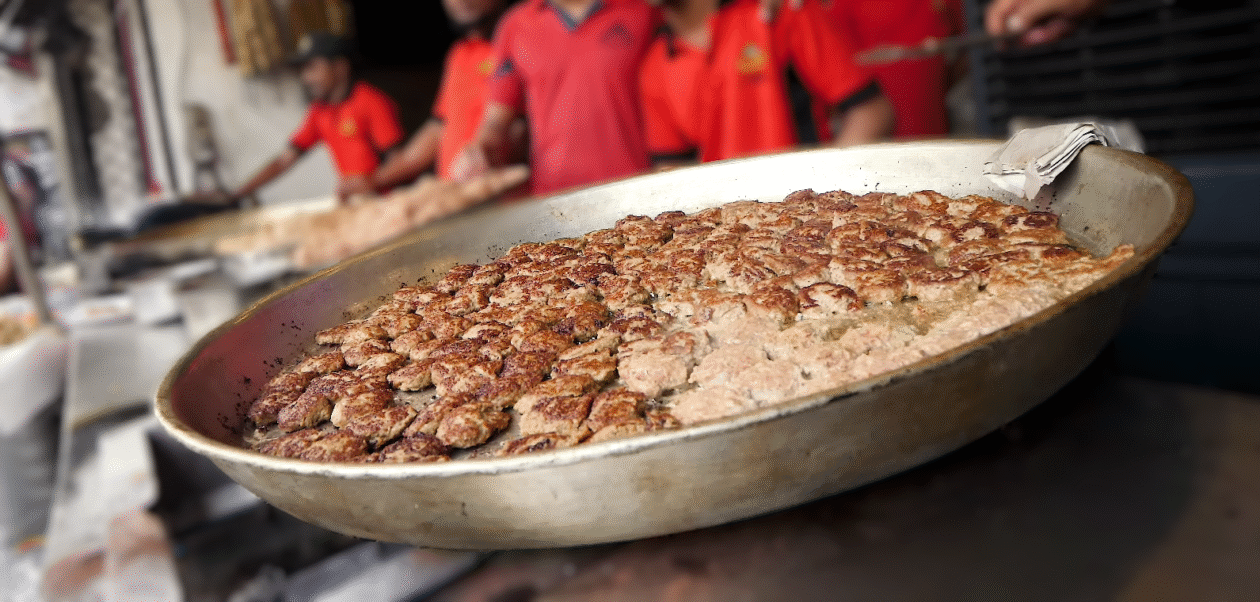
The city’s Tunday Kababi, Galouti Kebabs, Biryani, and the winter delicacy Makhan Malai aren’t just dishes — they’re cultural artifacts. Passed down through generations of rakabdars (royal chefs), these recipes tell stories of refinement, patience, and a deep respect for ingredients.
Each bite of Awadhi food reflects a historical narrative: from royal courts to street-side eateries, from the delicate dum pukht (slow cooking in sealed pots) to the humble paratha sold in Chowk. It’s this continuity of culinary craftsmanship that UNESCO recognized as a living expression of creativity.
Why UNESCO Chose Lucknow
According to the Times of India (Nov 2025) and Deccan Herald, Lucknow’s nomination was driven by its efforts to preserve and promote traditional gastronomy through innovation, community engagement, and tourism.
The city’s application highlighted:
- Sustainability initiatives that support local farmers and spice growers.
- Culinary training programs for youth and women entrepreneurs.
- Festivals like the Lucknow Mahotsav, where local chefs collaborate with international culinary experts.
- A thriving street food economy that balances heritage with modern hygiene and digital marketing.
This recognition makes Lucknow India’s second city after Hyderabad to be named a UNESCO Creative City of Gastronomy. It joins the ranks of other Indian cities celebrated for creativity — Jaipur for Crafts, Chennai for Music, and Mumbai for Film.
From mouth-watering Galouti Kabab to Awadhi Biryani, delectable Chaat & Golgappe, desserts like Makhan Malai & so much more - Lucknow in Uttar Pradesh is a haven for food, enriched in centuries-old traditions.
— United Nations in India (@UNinIndia) October 31, 2025
Lucknow is now recognised by @UNESCO as a Creative City of Gastronomy pic.twitter.com/fXhU6kSeWd
Gastronomy as Cultural Diplomacy
Food has always been a form of soft power — a universal language that transcends borders. Lucknow’s elevation to a global gastronomic city reflects how culinary traditions act as bridges between people, cultures, and generations.
When chefs from Lucknow collaborate with global restaurateurs or food historians, they are not just cooking; they are translating cultural memory into shared human experience. The Galouti Kebab, for instance, isn’t just a delicacy — it’s a conversation between royal heritage and modern innovation.
This recognition could open the door for culinary exchanges, global food festivals, and digital storytelling projects that document traditional recipes for future generations.
Technology Meets Tradition
In today’s digital age, technology plays a vital role in preserving and promoting Awadhi cuisine. Local chefs and home cooks are increasingly using Instagram, YouTube, and food delivery apps to share their creations with a global audience.
Startups in Lucknow are experimenting with:
Virtual culinary tours that let global food lovers explore the old city’s markets and eateries online.
Recipe digitization projects archiving rare Nawabi recipes.
AI-driven content for preserving dialects, oral histories, and ingredient stories.
This blending of culture and technology ensures that Awadhi food continues to evolve without losing its roots — making it a living, adaptive tradition.
Empowering Local Artisans
Behind every iconic Awadhi dish is a community — from the ittra (perfume) makers who supply aromatic oils, to metal artisans who craft the brass utensils used in dum cooking.
The UNESCO recognition strengthens these micro-economies, giving them global visibility and new economic opportunities.
Several initiatives are now emerging to:
Support culinary artisans through skill certification and export opportunities.
Integrate food tourism with local handicrafts and heritage walks.
In short, Lucknow’s culinary recognition isn’t just about taste — it’s about community, inclusion, and creative resilience.
A New Chapter for India’s Cultural Economy
Lucknow’s inclusion in UNESCO’s Creative Cities of Gastronomy signals a larger shift in how India’s cultural economy is evolving. Food, design, music, and storytelling are increasingly being seen as engines of innovation and sustainable development.
By turning local traditions into globally admired creative industries, cities like Lucknow showcase how culture can drive both economic growth and social cohesion.
For global travelers, this recognition transforms Lucknow from a historical stop to a living culinary destination — where every spice tells a story, and every plate carries centuries of shared heritage.
From royal kitchens to global recognition, Lucknow’s journey is a reminder that food is more than sustenance — it’s storytelling.
As Awadhi cuisine earns its place on the world map, it continues to invite people everywhere to taste, learn, and connect — proving that in every culture, gastronomy is diplomacy served warm.
Read more about Quick Indian Meals:- https://nomadjourney.in/quick-indian-meals-for-travelers-5-minute-recipes/